The Best Australian Natural and Organic Skincare Brands
Six Australian-made skincare brands worth your money, picked on Australian manufacturing, evidence-based formulation, transparent ingredient lists and review consistency. Compiled from independent industry guides, certified-organic registers and direct brand research.
Position #1 is the featured slot, a paid placement that is openly labelled in the entry itself. Featured businesses still have to clear our published editorial bar to be on the list at all. Paying does not bypass quality. All other positions are editorial selections presented in no particular order, these are recommendations rather than a strict ranking. We re-walk every list every six months.
'Natural' and 'organic' are not regulated, 'certified organic' is
The words natural and organic on a skincare label mean nothing on their own. Anyone can print them. The only versions that carry weight are the certified ones: Australian Certified Organic and COSMOS independently audit the ingredients, the manufacturing and the supply chain. Require a product to be at least 95 percent organic to carry the mark.
That does not make uncertified brands bad. Plenty of excellent small-batch makers use genuinely natural ingredients without paying for full certification. It just means the certification logo is the only part you can take at face value. If certified organic matters to you, look for the actual mark rather than the marketing word.
Read the ingredient list, not the front of the bottle
A good skincare brand publishes a full ingredient list with nothing hidden behind a proprietary blend. If a label will not tell you what is actually in it, that is the answer. The brands on this list were chosen partly for ingredient transparency.
Do not fear preservatives. Skincare without them grows bacteria and fungi within weeks, so a safer preservative at a low percentage is a feature, not a flaw. Preservative-free on a label usually means either a hidden preservative or a product that genuinely will not last and neither is what you want near your eyes.
Australian native ingredients are a real edge
This is one area where the marketing happens to be true. Kakadu plum carries the highest natural vitamin C content of any known food, Davidson plum is dense in antioxidants. Tasmanian pepperberry has shown anti-inflammatory effects. Most are not exclusive to Australia, but the harvest concentrations here are genuinely high.
A brand that leans into native botanicals is usually leveraging a real differentiator rather than a story. It is one of the few label claims in skincare that tends to hold up.
How long a product should actually last
A rough guide so you know if you are overusing: a 50ml daily moisturiser should last two to three months, a 30ml serum four to six weeks. A 100 to 150ml cleanser six to eight weeks. Most face products only need a pea-sized amount.
If you are getting through bottles much faster than that, you are probably over-applying rather than the product being too small. Using less usually works better and costs less, which is the opposite of what most skincare marketing wants you to believe.
Comparison table
| # | Name | Area | Best for | Rating |
|---|---|---|---|---|
| 01 | Adelaide Hills Organics Featured | Adelaide Hills | Hand-blended small-batch skincare from the Adelaide Hills | 4.9(100) |
| 02 | Mukti Organics | Queensland | Original certified-organic Australian brand | 4.6(28) |
| 03 | Saya | Noosa QLD | Australian Certified Organic, native-ingredient focus, 20+ years | – |
| 04 | Bare Roots | Online | Skin barrier focus, trusted by skin clinics | – |
| 05 | Mokosh | Online | Pure botanical-only formulations | – |
| 06 | LAMAV | Online | Science + Ayurveda blend | 4.4(13) |
Adelaide Hills Organics
Featured
Adelaide Hills Organics is a small-batch skincare line hand-blended by Melinda and Rick in their Adelaide Hills workshop, born from Melinda's two-decade journey with coeliac disease and a Swiss naturopath who pointed her toward botanical formulation. The range stays deliberately tight: a Gentle Face Cream Cleanser, an Active Toner, a Hydrating Face Moisturiser, the cult Organic Perfecta Oil, a Deep Purifying Clay Face Mask and a non-nano zinc Outdoor Cream that uses raspberry seed or carrot seed oil as its base. Formulas lean on jojoba, marula, grapeseed, avocado, sandalwood, witch hazel and rose hydrosols, cold-pressed and hand-poured into recyclable glass. Every batch is tested on the founders before it reaches customers, never on animals. Brand SA certified and Australian Made and Owned. Quietly sitting at 4.9 across more than 100 customer reviews. Disclosure: Joel does the marketing for Adelaide Hills Organics.
- •Hand-blended in small batches in the Adelaide Hills, never mass-produced
- •Cold-pressed botanicals like jojoba, marula and rose hydrosol bottled in recyclable glass
- •Founder-tested before every release, cruelty-free and Brand SA certified
- •Tight range built around the Perfecta Oil, clay mask and non-nano zinc outdoor cream
Mukti Organics
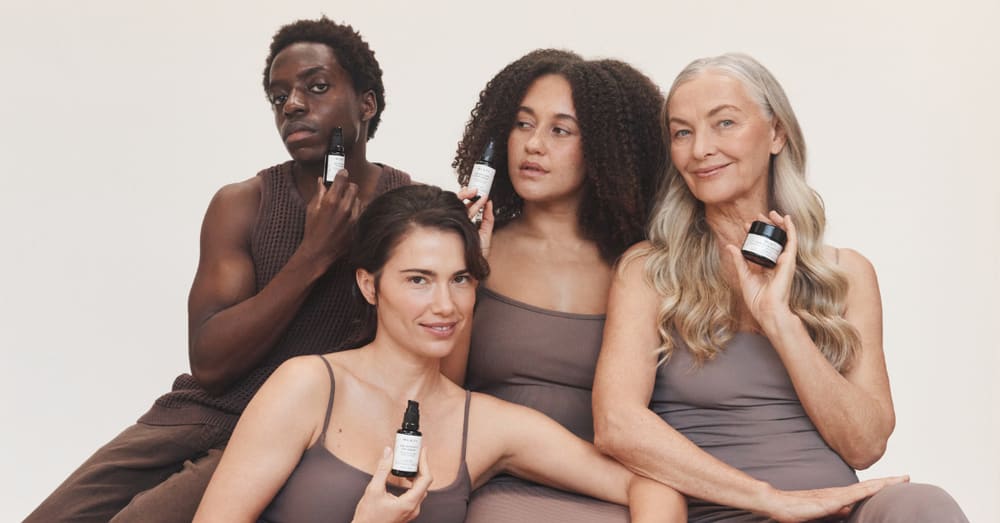
Founded in Queensland over two decades ago, one of Australia's original certified-organic skincare brands and still one of its strongest. Formulas blend native Australian botanicals (Kakadu plum, mountain pepper leaf) with proven actives like peptides and vitamin C. Made locally and housed in recyclable violet glass (which protects light-sensitive actives better than plastic).
- •20+ years operating
- •Certified organic
- •Native Australian botanicals (Kakadu plum, mountain pepper)
- •Recyclable violet glass packaging
Saya
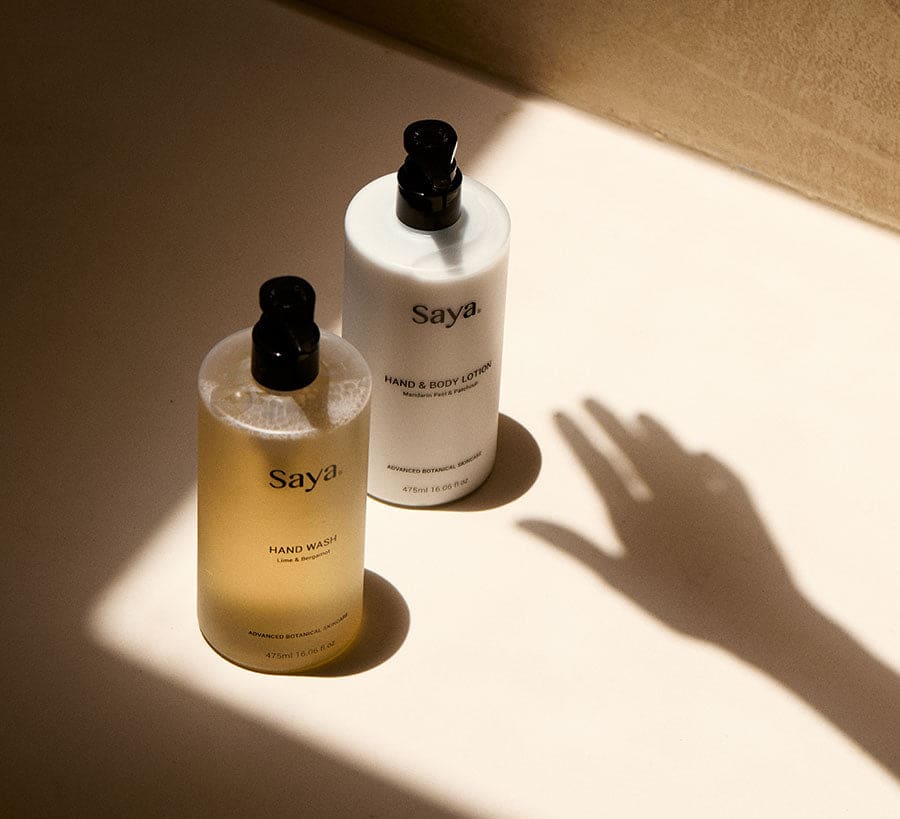
Founded in Noosa more than 20 years ago by Saya McDermott. Australian Certified Organic (ACO) and Australian Made certified, with all products manufactured locally in Queensland. Lean ingredient list using Kakadu plum, desert lime, quandong, crown of gold and Illawarra flame tree. Argan-based haircare range as well. Cruelty-free, vegan, free of pesticides, parabens and phthalates. The combination of long operating history, genuine ACO certification and native-ingredient focus makes Saya a stronger fit for our methodology than KORA Organics, which did not disclose manufacturing location. Replaces KORA on this list as of May 2026.
- •Australian Certified Organic (ACO)
- •20+ years founder-led from Noosa QLD
- •Native ingredients: Kakadu plum, quandong, desert lime
- •Vegan, cruelty-free, no parabens or phthalates
Bare Roots
Certified-organic Australian-made skincare designed specifically to support the skin barrier. Trusted by skin clinics for clinical use, which is a meaningful credibility signal, clinics will not stock brands that cause client problems. Best fit for sensitive or compromised skin where simpler routines outperform multi-step regimens.
- •Certified organic
- •Skin barrier focus
- •Trusted by clinical skin practitioners
- •Simpler routine focus
Mokosh
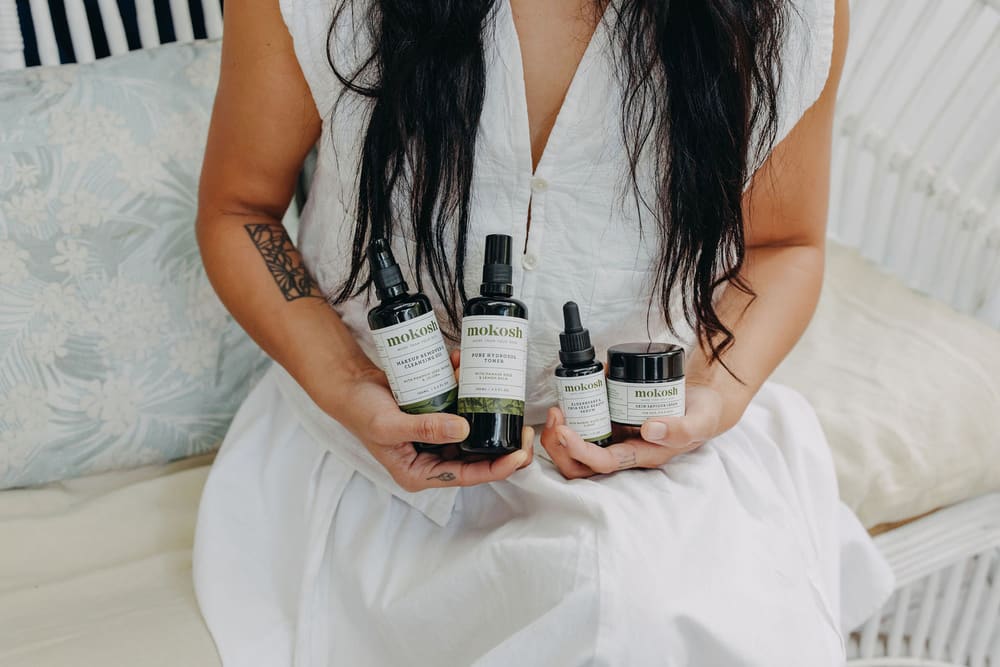
Organic skincare formulated using only pure organic botanicals, no detergent cleansers, no synthetic preservatives. Strict ingredient limits mean shorter shelf life and a different feel than mainstream skincare. Best fit for clients with chemical sensitivities or strict natural-only preferences who accept the trade-offs (smaller shelf life, less foaming cleansers).
- •Pure botanical-only formulations
- •No detergent cleansers
- •No synthetic preservatives
- •Strong fit for chemical sensitivities
LAMAV
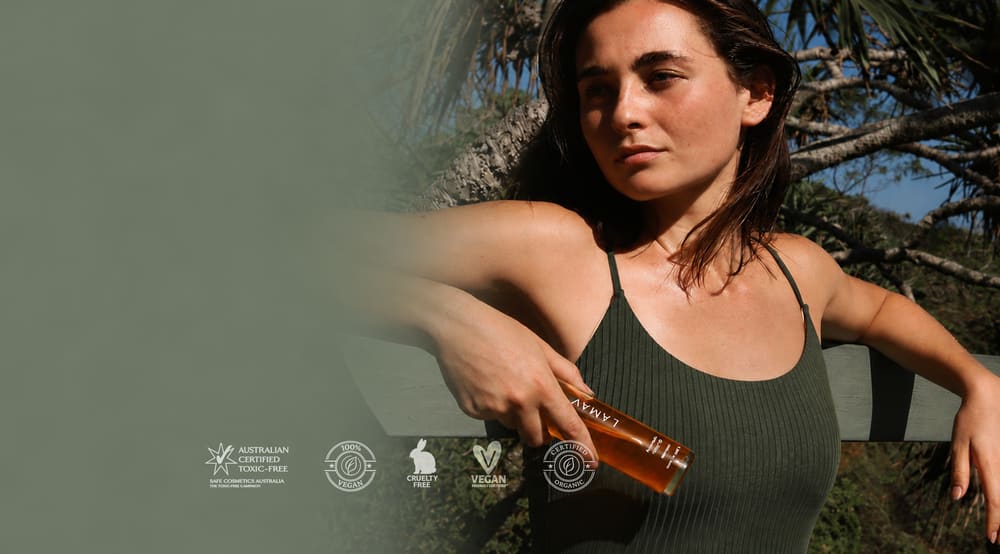
Certified-organic Australian brand blending science-backed bio-actives with Ayurvedic ingredients. The combination is unusual, most certified-organic brands lean either pure-botanical or pure-clinical. Best fit for clients who want results-driven skincare without giving up the certified-organic positioning.
- •Certified organic
- •Science-backed bio-actives
- •Ayurvedic ingredient integration
- •Long-term skin health positioning
Frequently asked
What does 'certified organic' actually mean for skincare?+
ACO (Australian Certified Organic) and COSMOS are the two main certifications. They require independent audit of ingredients (must be 95%+ organic), manufacturing process and supply chain. 'Natural' or 'organic' on a label without certification is not regulated, anyone can use those words.
How long should a skincare product last me?+
Daily moisturiser: 2-3 months for a 50ml jar. Serum: 4-6 weeks for a 30ml dropper. Cleanser: 6-8 weeks for 100-150ml. If you are getting through products materially faster, you may be over-applying, most face products only need pea-sized amounts.
Should I worry about preservatives?+
Yes, but the alternative is worse. Skincare without preservatives grows bacteria and fungi within weeks. Look for safer preservatives (phenoxyethanol, sodium benzoate at low %) instead of avoiding preservatives entirely. 'Preservative-free' often means a hidden preservative or a product that genuinely will not last on the shelf.
Are Australian native ingredients actually different?+
Yes, Kakadu plum has the highest natural vitamin C content of any food, Davidson plum has high anthocyanin antioxidants, Tasmanian pepperberry has anti-inflammatory effects in trials. Most are not exclusive to Australia, but the harvest concentrations are. Brands that lean into native ingredients are leveraging real differentiators, not marketing fluff.